BUDGET & PLANNING GUIDE
How Much Contingency Should a Renovation Budget Have?
Renovation contingency percentage by house age and project: 10% for newer homes and surface work, 15% when walls open, 20% for old houses and guts. Worked $40k kitchen.
The right renovation contingency percentage is 10 to 20 percent of the project cost: 10 percent for a newer house where the work stays on the surface, 15 percent once walls, floors or plumbing get opened up, and 20 percent for an old house, a gut job, or when you're running the job yourself. If you only remember one number, use 15 percent. It's the default in our renovation budget calculator for that reason.
Those bands aren't arbitrary. They line up with the few places where contingency is written down as a rule rather than a suggestion, and with what happens to real budgets.
Where the 10 to 20 percent range comes from
The clearest rulebook is the FHA's Standard 203(k) renovation loan. For a house 30 years or older, HUD requires a contingency reserve of at least 10 percent of the repair costs and caps it at 20 percent. If the utilities aren't working at the time of the work write-up, the minimum rises to 15 percent. For houses under 30 years old, the reserve is optional (up to 20 percent) unless there's termite damage, in which case 10 percent is the minimum.
Lenders outside the FHA land in the same place. NAHB's budgeting guidance says most lenders advise a 10 percent contingency, and 20 percent if you're acting as your own general contractor. Fannie Mae's HomeStyle Renovation loan requires a 10 percent reserve on two- to four-unit properties and lets the lender raise it to 15 percent for bigger, riskier scopes.
And the need is real. In the 2026 Houzz & Home Study, 37 percent of renovating homeowners went over budget in 2025, compared with 35 percent who hit it and 3 percent who came in under.
Pick your percentage: house age and project type
Two questions decide it. How old is the house, and how much of it are you opening up? Hidden conditions live behind drywall and under floors, and older houses have had more decades for previous owners to do creative things back there.
| Situation | Contingency |
|---|---|
| Newer house, surface work only (paint, flooring over a sound subfloor, new fixtures in the same spots) | 10% |
| Any house where you open walls or floors, move plumbing or add circuits | 15% |
| House 30+ years old with walls opened, or utilities not working | 15 to 20% |
| Pre-war house, full gut, structural changes, or you're your own GC | 20% |
The 30-year line and the 15 percent bump for dead utilities come straight from HUD's 203(k) table. The 20 percent for owner-managed jobs comes from NAHB's lender guidance, which notes that owner-builders tend to overspend on last-minute changes because they struggle to say no to themselves. The rest is judgment: if you can't see it, you can't price it, so the more you open, the more you hold back.

Worked example: a $40,000 kitchen
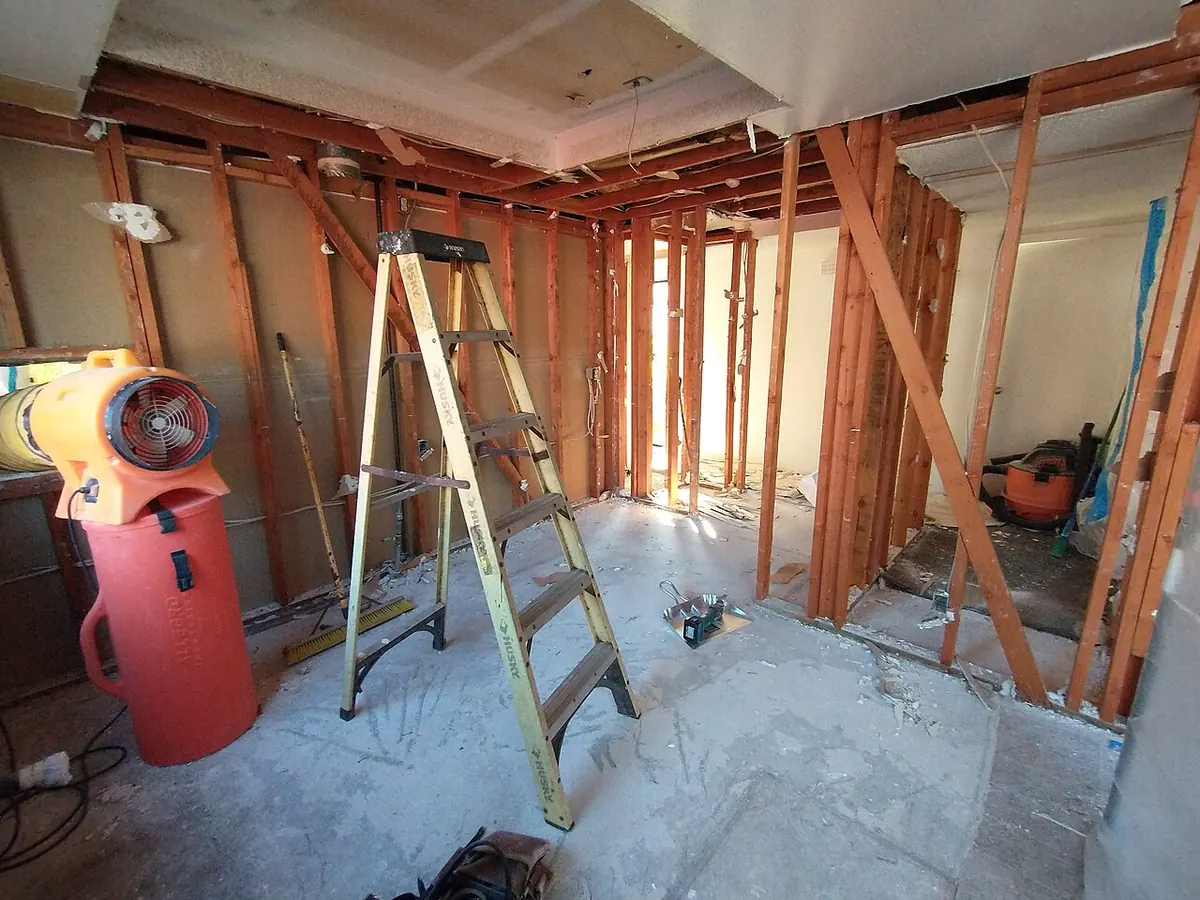
Take a $40,000 kitchen remodel in a house built in the 1960s. The plan moves the sink to an island, so the floor gets opened for drain and supply lines, and two walls come down to the studs for new wiring.
House over 30 years old plus opened walls and floors puts this at 15 to 20 percent. Here's what each choice reserves:
| Contingency | Reserve | Total to have available |
|---|---|---|
| 10% | $4,000 | $44,000 |
| 15% | $6,000 | $46,000 |
| 20% | $8,000 | $48,000 |
I'd carry 20 percent on this one, $8,000, because both risk factors apply at once. Now say demolition turns up a soft section of subfloor under the old sink and a panel with no room for the new circuits, and the contractor prices the fixes at $5,200. At 10 percent you're $1,200 short and choosing between a cheaper countertop and a credit card. At 20 percent you absorb it and still have $2,800 in reserve for the rest of the job.
Notice the money isn't spent until something forces it. If nothing goes wrong, the $8,000 stays in your account. That's the whole point of calling it contingency instead of budget.
One detail on the math: apply the percentage to the full project cost including tax, not just labor. The renovation budget calculator applies contingency to your line items plus sales tax for exactly that reason.
What contingency covers, and what it doesn't
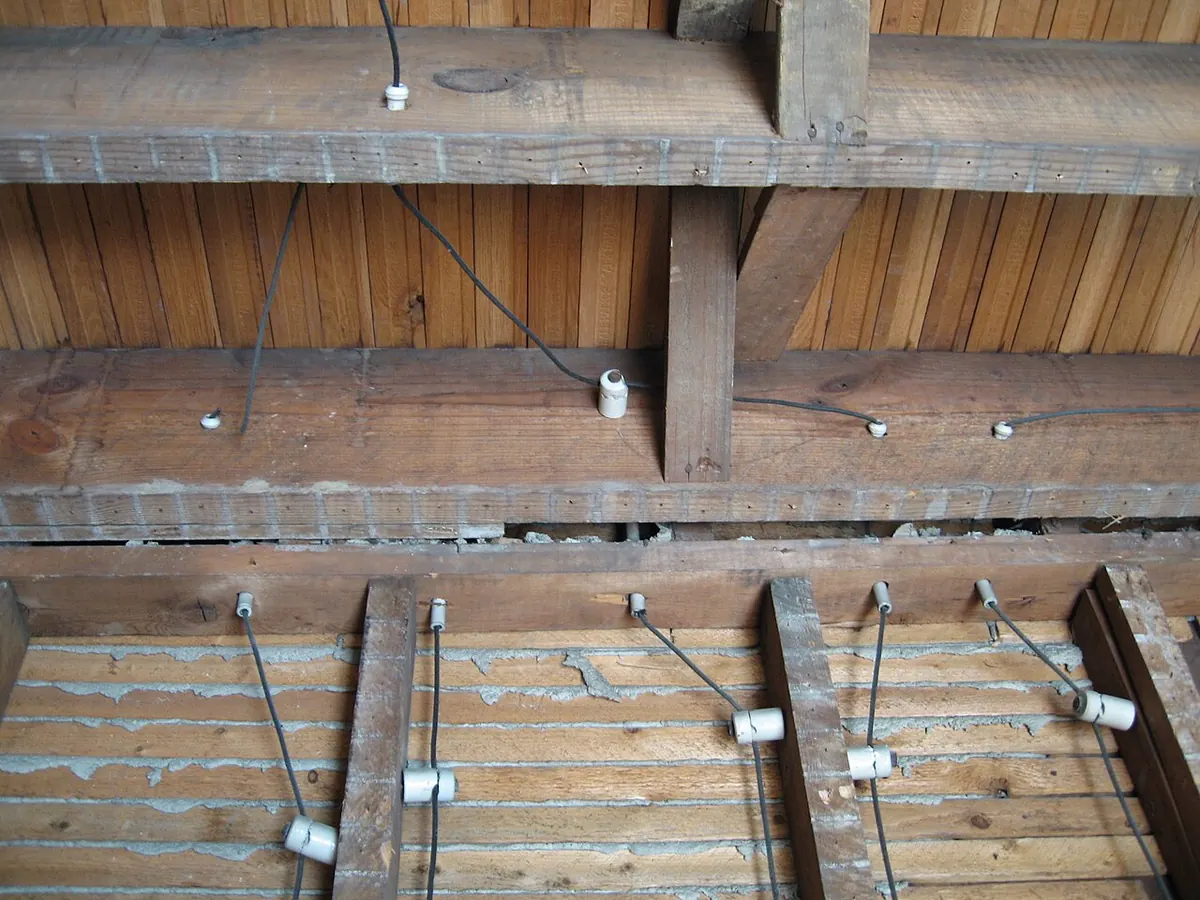
Contingency is for things you couldn't have known before work started. Fannie Mae's wording for its renovation loans is a good test: unforeseen repairs or deficiencies discovered during the renovation. Rot behind the shower wall, a joist someone notched for a drain in 1974, wiring that has to come out once it's exposed, an inspector requiring an upgrade you didn't plan for. Those are what the money is for.

It is not for upgrades. The Houzz study is blunt about why budgets break: among homeowners who went over, 52 percent cited products or services costing more than expected, 35 percent chose more expensive materials than planned, 31 percent changed the scope or design, and 22 percent ran into construction-related issues. Only that last group is the classic hidden-damage problem. The middle two are choices.
Keep those separate. If you want room for nicer tile or an extra outlet you'll think of in week three, set up a second line called "upgrades" with its own number. Let the contingency do one job.
Contingency also doesn't replace getting real prices. If your budget is built on guesses instead of quotes, no percentage will save it, because the 52 percent problem is about prices you never checked.
Common mistakes
Spending the contingency on day one. The most common way it disappears is the countertop upgrade in week one, before anyone has opened a wall. Don't release a dollar of it for a choice.
Using the same 10 percent for every job. A paint-and-flooring refresh in a 2010 house and a gut of a 1925 bathroom don't carry the same risk.
Counting the contingency inside the contractor's bid. Some contractors include their own allowance or markup for unknowns. That protects their margin, not your budget. Ask what's in the number and keep your reserve separate.
Forgetting it when you finance. If a lender caps what you can borrow, make sure the contingency fits under the cap or comes from savings. Both the 203(k) and HomeStyle programs let the reserve be financed or funded with your own money.
FAQ
Is 10 percent contingency enough?
For a newer house where nothing gets opened up, usually yes. For anything older than about 30 years with walls or floors coming apart, 10 percent is the minimum HUD requires, not a comfortable number. Go to 15 or 20.
What happens to unused contingency?
It's yours. On a cash job it never leaves your account. On a renovation loan, the reserve sits in an escrow account and the lender's program rules decide what happens to any leftover, so ask before you close.
Should contingency include permit fees and design costs?
No. Those are known costs, so they belong in the base budget. Contingency only covers what you couldn't price in advance.
Do contractors add contingency themselves?
Some build an allowance into the bid; many don't. Either way, your contingency is a separate reserve held by you. Ask the contractor how they handle change orders for hidden conditions before you sign.
For tile-heavy projects, the materials side of the budget is easier to pin down: start with how many tiles you need and how much grout you need, then add your contingency on top.
Sources
- HUD FHA Connection · Standard 203(k) contingency reserve requirements
- NAHB · Determine your budget (contingency funds)
- Houzz · 8 home remodeling trends to watch in 2026 (2026 U.S. Houzz & Home Study)
- Fannie Mae · FAQs: HomeStyle Renovation (contingency reserve)
Estimates and rules of thumb in these guides are for planning. Always confirm product coverage, local codes and supplier figures before you buy.
Image credits
- Kitchen stripped to bare wood studs and ceiling joists, with a stepladder, shop vacuum and air mover on a dusty concrete floor. Photo: Stilfehler, via Wikimedia Commons, CC BY-SA 4.0
- Old knob-and-tube wiring on white ceramic insulators running along exposed wooden joists and lath. Photo: Laura Scudder, via Wikimedia Commons, CC BY-SA 3.0
Photos are resized and converted to WebP for this site; no other changes. Each remains under its original licence.
Related guides

Painting & Walls · Guide
How Much Does It Cost to Paint a Room Yourself?
The cost to paint a room yourself is about $120 to $200 for a 12x12 bedroom with mid-range paint. Itemized materials list with current prices, plus DIY vs hiring a painter.
Kitchen & Bath · Guide
How to Measure Countertops in Square Feet (L-Shapes, Islands and Backsplash)
How to measure countertops in square feet: length × depth in inches ÷ 144 per section, the L-shape corner trap, islands with seating, and a 4 in backsplash, with a worked example.

Flooring & Tile · Comparison
Laminate vs Vinyl Plank vs Hardwood: Estimating Boxes and Total Cost
Estimate boxes and full project cost for laminate, luxury vinyl plank and hardwood. Reading box coverage, what extras each floor needs, a side-by-side 12 x 15 ft example and metric units.