AROUND THE WORLD ESSAY REMODELING-AROUND-THE-WORLD
How Homes Are Renovated in the UK: Three Rule Sets and a Wall That Has to Breathe
How UK renovation works in England: planning permission vs Building Regulations vs the Party Wall Act, what a competent person can self-certify, and why old solid walls need breathable plaster.
ON THIS PAGE5 sections
In England, a renovation can trigger three separate rule sets: planning permission, Building Regulations, and the Party Wall Act. Passing one doesn't excuse the others (GOV.UK). Painting and tiling usually need none of them; moving plumbing, rewiring near a bath or replacing windows needs Building Regulations sign-off or a registered tradesperson. England's rules are summarized here; Scotland and Northern Ireland differ.

Which rule applies
| Rule | Covers | Who handles it |
|---|---|---|
| Planning permission | Extensions, outside changes; many are "permitted development" with limits | Owner, via the local council |
| Building Regulations | Electrics near baths, bathrooms with new plumbing, windows and doors, heating, roof coverings | Council or private approver, or a registered "competent person" who self-certifies |
| Party Wall Act | Work on or near a shared wall or boundary | Owner notifies neighbors in writing |
| Listed building or conservation area | Extra consent; permitted development is restricted | Owner, via the council |
Exempt from Building Regulations: most repairs and replacements, new sockets and lighting points (except near baths and showers), replacing a bath, toilet, basin or sink, and loft or floor insulation (GOV.UK). Like-for-like bathroom swap, no approval. Moving the pipework, yes.
Owners, tenants and who builds
Tenants don't renovate. Landlords must repair structure, exterior, heating, sanitary fittings and wiring, and tenants should only do repairs if the tenancy agreement says so (GOV.UK). Owners hire small firms directly, and trades registered with a competent person scheme can certify their own work, so you skip the separate application.
What's different about the houses
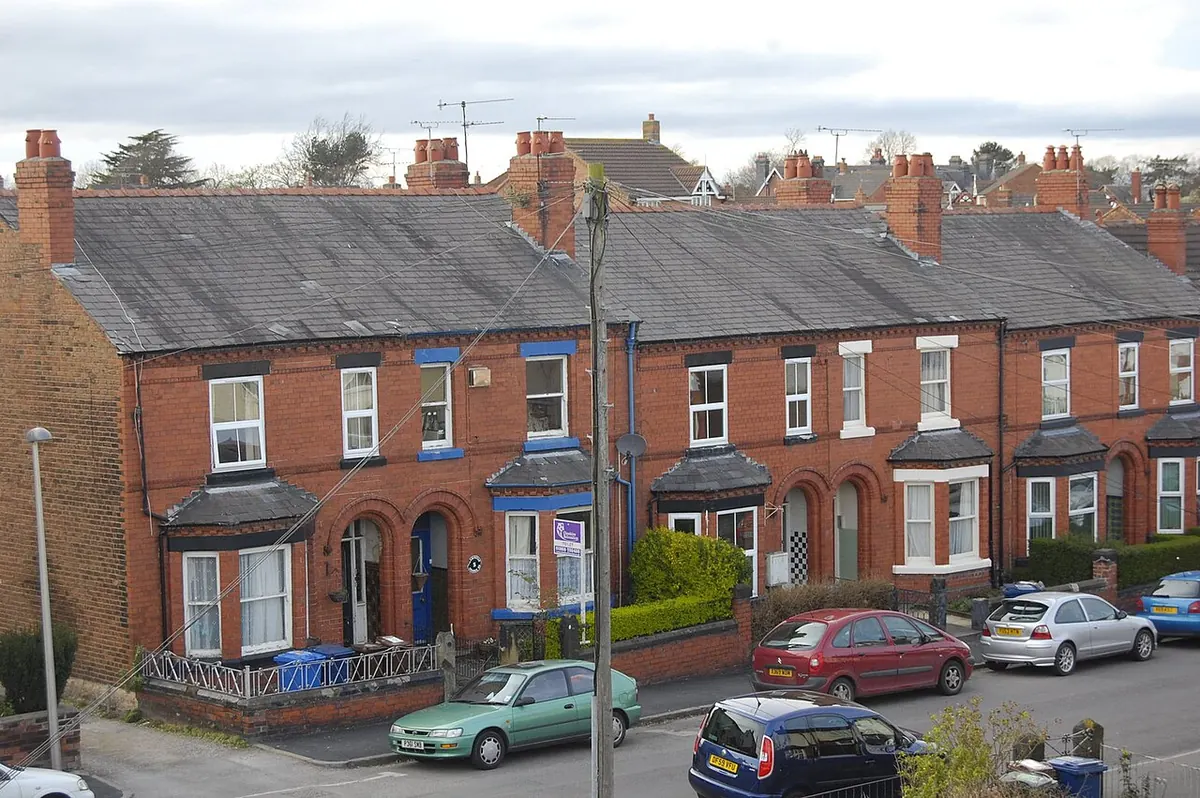
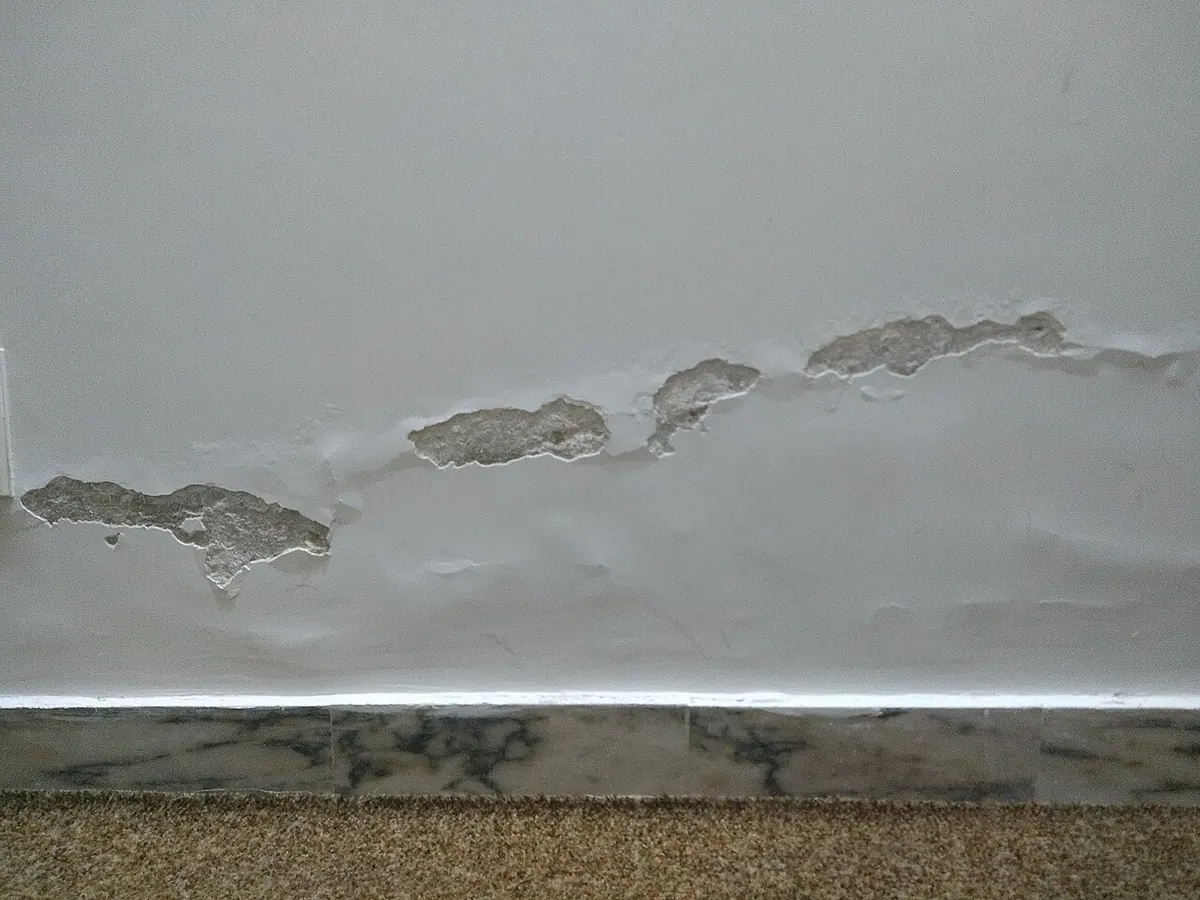
Older English houses are mostly solid brick or stone, not wood frames with drywall. Historic England's advice for these walls: fix what's causing the damp first, then match repair materials to the original; cement-based fillers and impermeable coatings can make the wall decay faster.

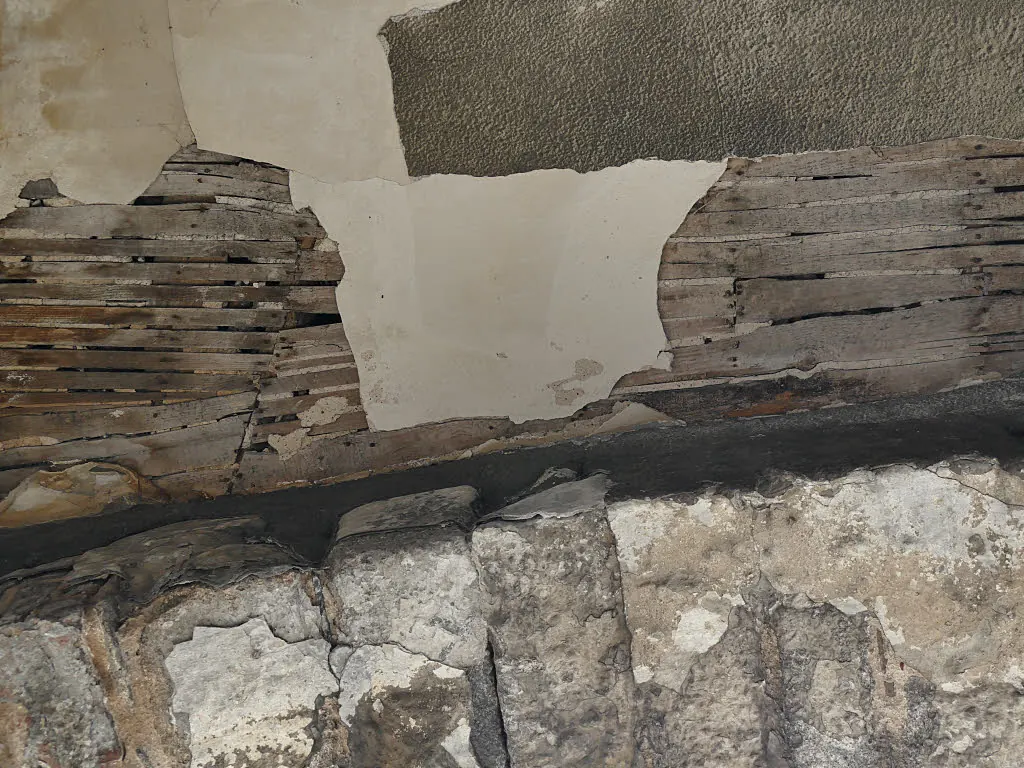
Many period homes also have plaster on timber strips (lath) instead of drywall.

What a US homeowner can borrow
- Ask what's behind the paint. Before you seal an old wall, fix the leak or ventilation problem; the paint calculator comes second.
- Use the right plaster for old walls. If your house has plaster over masonry, ask for a breathable repair, not a sealed one.
- Put neighbors in writing. A UK-style notice before work on a shared wall saves arguments in a row house or duplex; check your local rules too.
- Hire certified trades for the regulated work. Electrics near wet areas and heating are where the UK insists on certification; keep the paperwork for resale.
- Budget for what's hidden. Use the renovation budget calculator with a contingency line, and the drywall calculator only where you're actually boarding.
FAQ
Do I need permission to redecorate in the UK?
Internal decorating doesn't need planning permission or Building Regulations. Listed buildings can need consent for changes that affect their character.
What is a competent person scheme?
Registered tradespeople can certify their own regulated work, so you don't make a separate Building Regulations application (GOV.UK).
Do I tell the neighbors even with permission?
Yes. Party wall agreements are separate from planning permission and Building Regulations (GOV.UK).
Sources
- GOV.UK · Building regulations approval: when you need approval
- GOV.UK · Building regulations approval: when you do not need approval
- GOV.UK · Permitted development rights for householders: technical guidance
- GOV.UK · Party walls and building work
- GOV.UK · Private renting: repairs
- Historic England · Repairing Walls of an Older Home
Estimates and rules of thumb in these guides are for planning. Always confirm product coverage, local codes and supplier figures before you buy.
Image credits
- A row of red-brick Victorian terraced houses with bay windows and chimneys. Photo: Bill Harrison, via Wikimedia Commons, CC BY-SA 2.0
- A white painted wall with bubbling, peeling plaster and bare patches just above the skirting board. Photo: Kebabknight, via Wikimedia Commons, CC BY-SA 4.0
- Ceiling plaster broken away to show rows of thin timber laths behind it. Photo: Stephen Craven, via Wikimedia Commons, CC BY-SA 2.0
Photos are resized and converted to WebP for this site; no other changes. Each remains under its original licence.
Related guides

Around the World · Essay
How Homes Are Renovated in Sweden: Who Decides, and Why Every Wet Room Needs a Certificate
How Swedish renovation works: in rentals the landlord decides, co-op boards approve in writing, wet rooms are certified, and a tax credit pays only on labor. Ideas to borrow.

Around the World · Essay
How Homes Are Renovated in Italy: Two Rulebooks and a Tax Break That Shrinks in 2027
How Italian home renovation works: CILA and SCIA permits, telling the condominium administrator, and the 50% tax deduction that drops after 2026. Floor ideas to borrow.
Around the World · Essay
How Homes Are Renovated in Germany: Why Renters Take the Kitchen When They Move
How homes are renovated in Germany: tenants who bring and take their own kitchen, courts that limit repainting clauses, licensed trades, bathroom costs and ideas to borrow.