AROUND THE WORLD ESSAY REMODELING-AROUND-THE-WORLD
How Homes Are Renovated in South Korea: Ondol Floors, Apartment Rules and Wallpaper Everywhere
How South Korean apartments are really renovated: ondol heated floors, management-office consent, who does the work, what a full remodel costs, and ideas to borrow.
Most Americans picture a house when they think of renovating. In South Korea the default home is an apartment in a large complex, and the renovation is shaped by that: you own the inside of the box, the building belongs to everyone, and a management office sits between you and the demolition hammer. Tear out, replace, move in is the usual sequence, and it's done fast.

The floor under your feet is the heating
Korean homes are heated through the floor. Ondol, the traditional system, burned wood under a thick masonry floor and sent the smoke through channels beneath the room. Wikipedia notes that hot-water boilers using the same idea were developed in 1962, and today's apartments use a modern version of it. In modern usage the word covers any underfloor heating.
That changes what a floor renovation means. The finish you pick sits on top of a heated slab, so the question isn't just looks. It's how a material handles heat and how quickly it passes heat to the room. The cost guide I used lists PVC sheet flooring (jangpan) at roughly KRW 20,000 to 30,000 per pyeong and hardwood laminate at KRW 60,000 to 120,000. The price gap is the whole story: three to four times the cost for the harder-wearing finish.
Wikipedia also records the downsides of heated masonry in the traditional version: slow to warm and hard to adjust. Modern hydronic systems added a thermostat, but a heated slab still responds slowly compared with a forced-air vent.

What the apartment rules say
The legal frame comes from the Multi-family Housing Management Act. Korea's official plain-language legal portal sets out three tiers. Replacing window and door frames, replacing wall, ceiling and floor finishes inside the unit, replacing water and drainage pipes, and changing the heating method don't need a permit or report to the district government. They do need the consent of the management office. Anything that expands, rebuilds, structurally alters or demolishes part of the building, including removing a non-load-bearing wall, needs a permit or a report to the city, county or district head.
So wallpaper, flooring and fixtures are an administrative non-event, and a call to the management office handles it. Moving a wall is a different process with paperwork. The portal doesn't give a working-hours schedule or neighbor-notice requirements. Those are set by each complex's own rules, so ask the office before you hire anyone.
Who does the work
The cost guide describes quotes that run from demolition through plumbing, electrical, flooring, wallpaper, bathroom and kitchen, which means one contractor coordinates the trades. Its advice is what you'd tell a US homeowner: get at least three itemized quotes, avoid lump-sum figures, and check that the contractor holds a valid specialty license on the construction industry registry. It also recommends asking for a defect warranty bond, typically around 5 percent of the contract amount, and gives a payment schedule: 10 to 30 percent at signing, 40 to 50 percent at a milestone, and 20 to 30 percent after final inspection. It warns against anyone who asks for more than half up front.
For defects, the guide gives reference warranty periods of one year for finishes like wallpaper and flooring, two years for plumbing and heating systems, and five or more for structural work. These are references, not statutes, so put the period in the contract.
What it costs
The same guide estimates costs for a "30-pyeong" apartment, which it puts at about 84 square meters. (Pyeong in listings usually includes a share of hallways and stairs, most likely why 30 pyeong is smaller on the floor than it sounds.) Its 2026 ranges for that size, with standard materials:
| Scope | Estimate (KRW) |
|---|---|
| Wallpaper and flooring only | 1.5 to 3 million |
| Plus bathroom and kitchen | 15 to 25 million |
| Full remodel | 45 to 60 million |
Mid-grade finishes push the full remodel to 60 to 80 million. At something like 1,400 won to the dollar, a rate that moves, the standard full remodel is roughly $32,000 to $43,000. The source itself says real quotes can differ by 30 to 50 percent or more depending on location and building, so use these as a shape, not a quote. Line items: standard wallpaper at KRW 15,000 to 20,000 per pyeong, a single bathroom at KRW 2.5 to 8 million depending on whether the old one is demolished or covered over, and kitchen cabinets at KRW 2 to 6 million.
The cost guide also recommends a 10 to 15 percent contingency, which matches US advice.
Where it differs from a US remodel
Whole-unit scope. A US homeowner might redo a kitchen this year and floors next. In Korea, the cost guide says partial work can end up costing more over time, and it recommends a full remodel for buildings over 20 years old, especially when you're moving in after purchase. The source's logic is that one big disruption beats several small ones.
Wallpaper over paint. The price list treats wallpaper as the default wall finish, charged by the pyeong. In the US, paint is the default and wallpaper is a feature wall.
Itemized, whole-job quotes. A Korean quote covers demolition through wallpaper in one document. A US homeowner acting as their own general contractor often has to assemble that from several trades.
What a US homeowner can borrow
Do the pipes and finishes together. Korean owners replace plumbing during a full remodel, which the guide prices at KRW 5 to 10 million for a 30-pyeong unit. If you're opening walls for a kitchen anyway, replace the old supply lines then.
Ask for a defect bond. A 5 percent holdback or a bond is a reasonable idea on any US project over a few thousand dollars. Hold back the final payment until you've walked the whole job with a written list.
Choose flooring with the heat in mind. If you have radiant floors, check the flooring maker's rules on heated slabs before you buy. Start with the flooring calculator to size the order, then confirm temperature limits with the manufacturer.
Itemize quotes by room and trade. Korean guides break bids into demolition, plumbing, electrical, flooring, wallpaper, bathroom and kitchen, and say to compare at the same material grade. Our renovation budget calculator uses the same line-by-line approach.
Price wallpaper properly. If you're papering a whole room, run the wallpaper calculator first, because pattern repeat changes how many rolls you need.
Limits of what I could verify
The figures here come from one 2026 cost guide and one government legal portal. Korean contractors, apartment complexes and districts vary, and quotes differ widely by region. If you're renovating a Korean home, ask your complex's management office for its current rules before you sign anything.
Sources
- Korea Ministry of Government Legislation · Apartment interior work (easylaw.go.kr)
- Home Renovation Cost and Process Guide 2026 · Korea apartment remodeling prices by size
- Wikipedia · Ondol
Estimates and rules of thumb in these guides are for planning. Always confirm product coverage, local codes and supplier figures before you buy.
Image credits
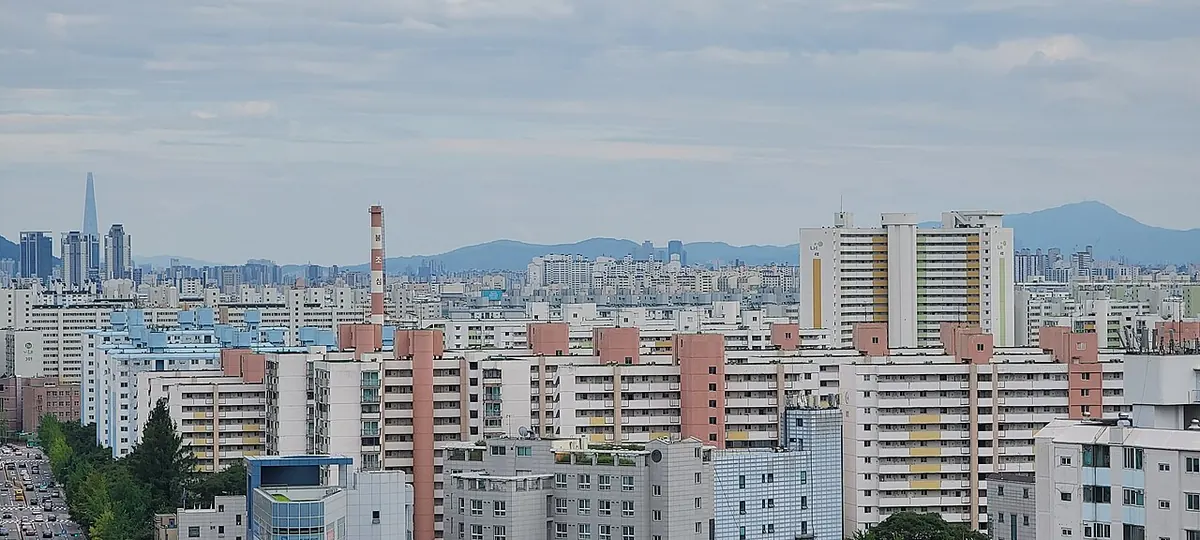
- A dense district of high-rise apartment complexes in Seoul with the Lotte World Tower on the skyline. Photo: Ox1997cow, via Wikimedia Commons, CC BY-SA 3.0
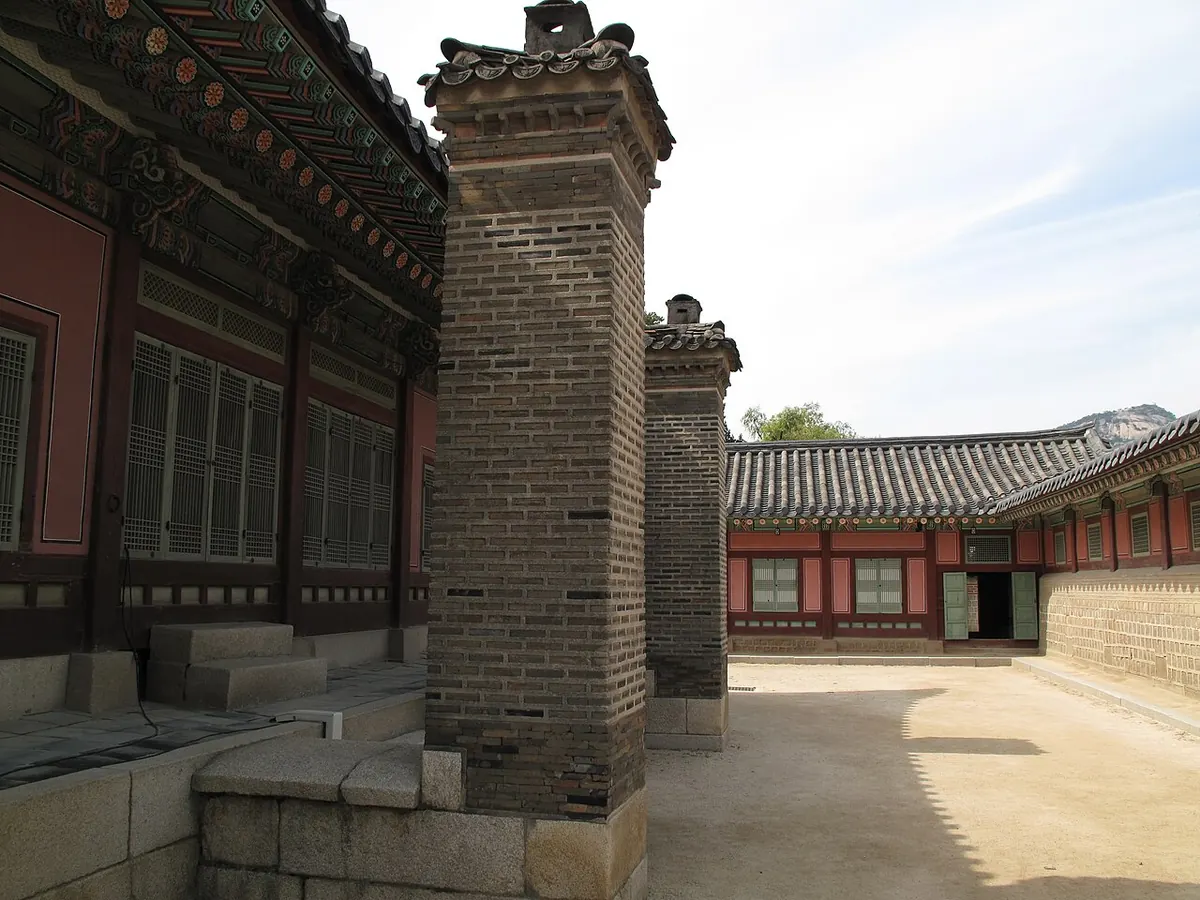
- Two tall brick chimneys rising beside a palace building with a tiled roof. Photo: G41rn8, via Wikimedia Commons, CC BY-SA 4.0
Photos are resized and converted to WebP for this site; no other changes. Each remains under its original licence.
Related guides
Around the World · Essay
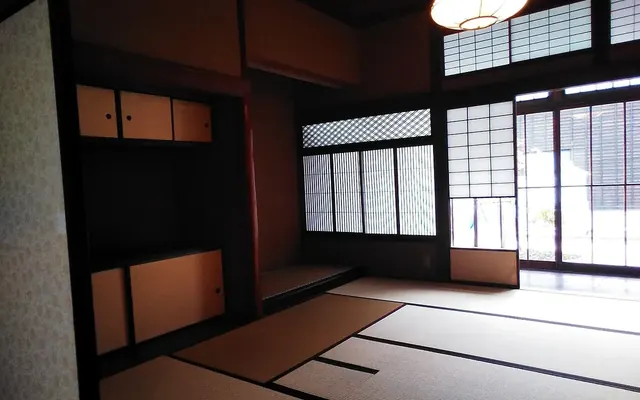
How Homes Are Renovated in Japan: Tatami, Unit Baths, 30-Year Houses and Renovation Rules
How Japanese homes are really renovated: short-lived wooden houses, tatami room sizes, prefab unit baths, condo rules on what owners can change, and ideas to borrow.
Painting & Walls · Guide
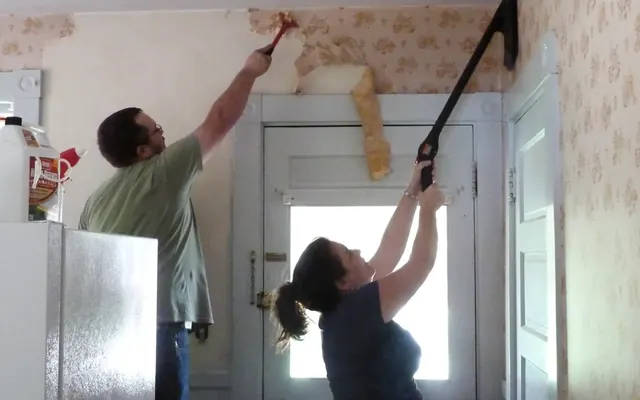
Can You Paint Over Wallpaper? When It Works and When to Strip It
Can you paint over wallpaper? Yes, if it's tight, smooth and not vinyl, and you seal it with an oil-based primer first. Here's the test, the steps, and when stripping wins.
Painting & Walls · Guide
How Much Wallpaper Do I Need? Rolls, Strips and Pattern Repeat
How much wallpaper do I need? Count full-height strips, not square feet: strips around the room divided by strips per roll, with the pattern repeat added to every cut.