OUTDOOR & LANDSCAPING CHECKLIST
Fall Garden Cleanup: What to Cut Back, What to Leave, and How Much Mulch to Spread
Which perennials to cut back in fall, which stems and seed heads to leave for birds and bees, what not to prune, what to do with leaves, and how much mulch to order.
The old habit was to scalp every bed in October and haul away every leaf. Most extension services now recommend something more selective: remove what carries disease or pests, leave what feeds birds and shelters insects, hold off on pruning shrubs, and save the heavy mulch for when the soil has cooled. Done that way, fall cleanup is less work, not more.
This checklist goes through it in the order the jobs usually come up, with the mulch math at the end so you order the right amount the first time.
Cut back: the plants that cause trouble if left
Wait until a few hard frosts have browned the foliage before you start. University of Vermont Extension suggests assessing the yard at that point rather than cutting green plants back early. Then deal with these groups.
Peonies, irises and lilies
Penn State Extension's Master Gardeners recommend cutting peonies, irises and lilies back to 3 to 5 inches and removing the foliage. Peony leaves in particular tend to blacken and collapse after frost, and that debris is where leaf diseases spend the winter. Bag it rather than leaving it in the bed.
Hostas
Cut hostas back and take all the foliage out. UVM Extension's reason is specific: hosta leaves left on the ground can shelter slug eggs over winter. If slugs chewed your hostas to lace this summer, this is the single most useful cleanup job you can do.
Anything that was diseased this year
Bee balm and phlox with powdery mildew are the classic examples. UVM Extension advises removing diseased perennials and putting the debris in the trash or burying it, not in the compost, unless your pile is active and gets above 131°F for at least four hours. Most backyard piles never get that hot. Clean your pruners and gloves after handling diseased plants so you don't carry spores to the next bed.
Spent vegetables
The vegetable garden is the one place where a thorough cleanup pays off. Pests and diseases that hit your tomatoes, squash or beans can overwinter in the dead vines, so pull them out, pull the weeds while you're there, and keep diseased plants out of the compost.
Leave standing: stems, seed heads and grasses
Most other perennials can stay up until spring, and several are better off that way.
Seed heads. Purple coneflower, black-eyed Susan, Joe-pye weed and stonecrop hold seeds that overwintering birds eat, according to UVM Extension. The standing stems also catch leaves and snow, which insulates the crowns.
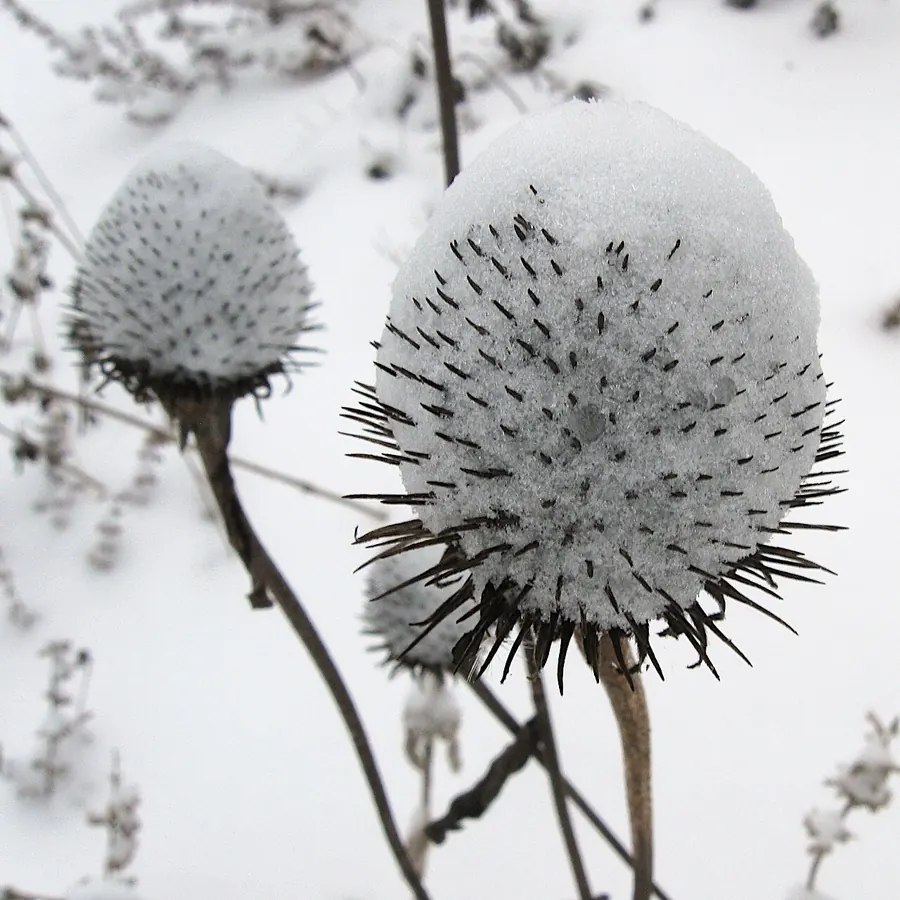

Ornamental grasses. Leave them for winter structure and cut them down in spring once new growth appears.
Evergreen and borderline-hardy perennials. UVM lists low evergreen or semi-evergreen plants such as hardy geraniums, heucheras, moss phlox, dianthus and hellebores as ones not to cut back. Garden mums and anise hyssop also survive better when left standing.
Hollow and pithy stems. Many native solitary bees nest in old plant stems. A study by NC State Extension, which sampled nearly 3,000 stems from 20 gardens, found that stems were not occupied in their first winter. Bees moved in once the stems had been cut or broken, and about 70% of the gardens had at least one occupied stem the following spring. Their recommendation: trim the current year's stems any time between the first fall frost and the last spring frost, and leave 12 to 24 inches of stubble. That stubble becomes nesting habitat next year. If you prefer a clean cut to the ground, you can do that in the first winter without harming bees, but you give up the habitat. Don't re-cut stems that were already trimmed or deadheaded during the growing season, because bees may already be inside.
If the "messy" look bothers you, Penn State suggests cutting a crisp edge between beds and lawn. A clean edge makes standing stems look deliberate.
Don't prune these shrubs now
Spring-flowering shrubs such as lilac, forsythia, viburnum, weigela and azaleas bloom on wood that grew the previous summer. Rutgers Cooperative Extension says to prune them immediately after they flower in spring. Cut them in fall and you cut off next spring's flowers.
The broader rule from the same Rutgers fact sheet applies to summer bloomers too: don't prune spring- or summer-flowering shrubs from mid-August through leaf fall. Pruning stimulates new growth, and growth that starts in fall may not harden off before winter, which leads to cold damage. The exception is wood that is dead, diseased, damaged or crossing. Rutgers says those can be removed at any time. When you cut out diseased wood, disinfect the blades between cuts with rubbing alcohol.
Leaves: mow them in or move them to the beds
You don't have to bag every leaf. Two jobs cover most yards.
On the lawn, mulch-mow. University of Minnesota Extension recommends mowing over leaves when they are dry, with a second pass for finer pieces, so they break down into the turf and return nutrients. Their rule for when to stop: keep mulching until you can see only about half of the lawn surface. Once less than 50% of the grass is visible, bag the excess, because heavy leaf cover left over winter can encourage snow mold.
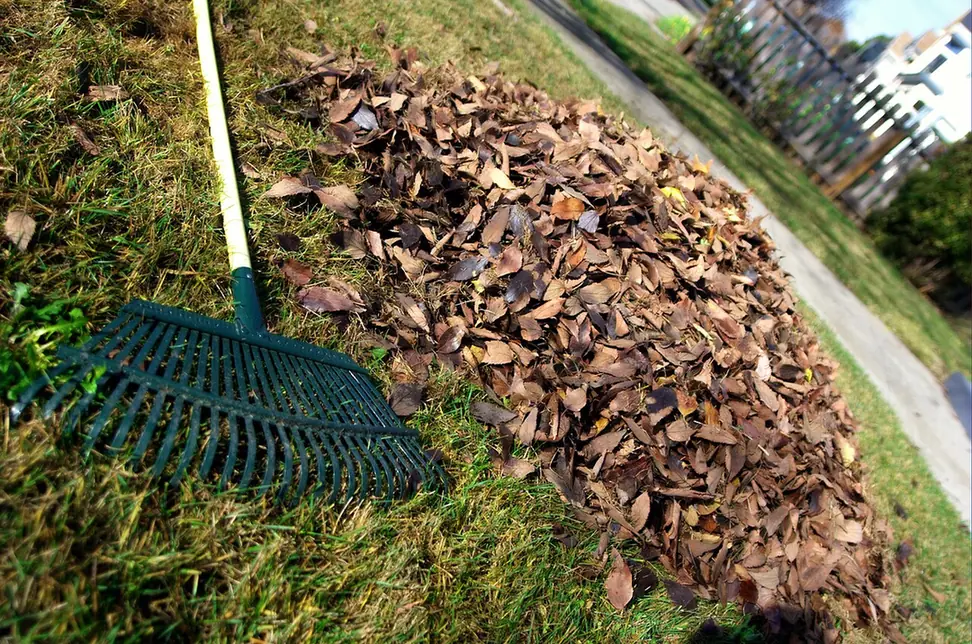

In the beds, use them as mulch. Rake or blow leaves under shrubs and into perennial beds. Penn State Master Gardeners spread fallen leaves on the vegetable garden in a 2 to 3 inch layer, which should decompose before spring planting. They also point out a trade-off: whole leaves shelter more overwintering insects than shredded ones, so leave some unshredded where looks don't matter, such as under shrubs or in a back corner.
Mulch: after the soil cools, at the right depth
There are two different fall mulching jobs, and they have different timing.
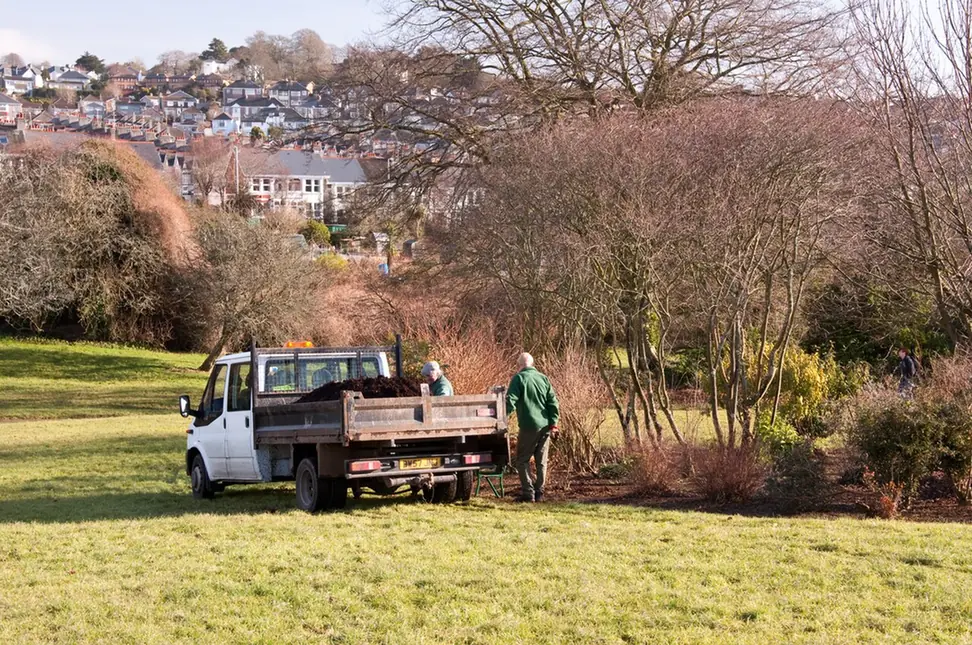
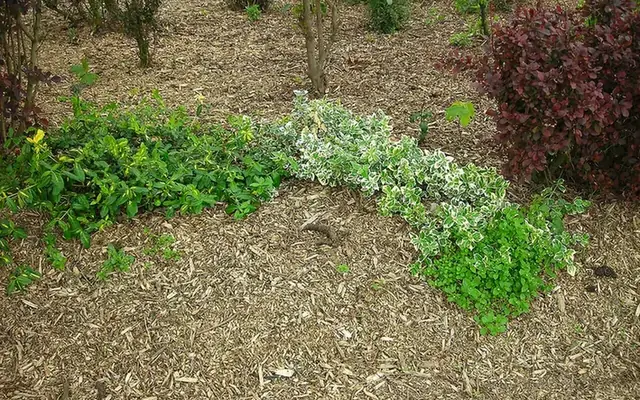
Bed mulch around trees and shrubs. Virginia Cooperative Extension says winter mulch goes on in mid-to-late fall, once the soil has cooled but before it freezes. Their depth guidance is 2 to 3 inches around trees and shrubs, spread at least 2 to 6 feet out from the trunk or stems, and 1 to 2 inches around smaller perennials, never over the crown. Keep mulch 3 to 4 inches away from tree and shrub trunks so the root flare stays visible, and don't let layers build up beyond 4 inches when you top up. That rules out the mulch "volcano" piled against the trunk, which keeps bark wet and invites insects and disease.
Protective cover over perennials and bulbs in cold regions. University of Minnesota Extension says to wait until the soil begins to freeze, then cover perennial and bulb beds with 5 to 6 inches of whole or shredded leaves, straw or partly decomposed compost. Putting this cover on during the main October cleanup is too early. It can encourage growth under the mulch that weakens the plants. Pull it off as it thaws in spring. Wood chips and shredded bark work better as permanent mulch between plants than as a winter blanket.

How much mulch to order
Mulch is sold by the cubic yard in bulk (27 cubic feet) and by the cubic foot in bags. The math is bed area times depth:
- Convert the depth to feet: 3 inches ÷ 12 = 0.25 ft.
- Multiply by the area: a 200 sq ft shrub bed × 0.25 ft = 50 cubic feet.
- Divide by 27 for cubic yards: 50 ÷ 27 = about 1.85 cubic yards.
- For bags, divide cubic feet by the bag size printed on the label: 50 ÷ 2 = 25 bags of 2 cu ft.
The same bed at 2 inches needs 33.3 cubic feet, or about 1.23 cubic yards. If there is already an inch of old mulch, measure what is there and order only the difference. Topping a 1 inch layer up to 3 inches means ordering for 2 inches, not 3. The mulch calculator handles rectangles, circles and measured areas, adds an allowance, and gives you bags or yards. For choosing between shredded hardwood, pine bark, leaves and the rest, see mulch types and when to replenish.
Clean and store the tools
Before the shed door closes for the season, scrape the soil off spades and hoes, wipe the sap off pruner and lopper blades, and let everything dry before you hang it up. If you cut diseased plants, wipe the blades with rubbing alcohol as Rutgers recommends. Drain hoses and bring them in before hard freezes, and sharpen pruners now so they're ready for spring cutting of grasses and stem stubble.
Fall cleanup checklist
| When | Task | Notes |
|---|---|---|
| Before frost | Pull spent vegetables and weeds | Diseased vines go in the trash, not the compost |
| As leaves fall | Mulch-mow leaves on the lawn | Bag the extra once less than half the grass shows |
| After a few hard frosts | Cut back peonies, irises, lilies | Leave 3 to 5 in; remove the foliage |
| After a few hard frosts | Cut back hostas and mildewed bee balm or phlox | Remove all foliage; clean tools afterwards |
| All fall | Leave seed heads, grasses, evergreen perennials | Coneflower, black-eyed Susan, Joe-pye weed, stonecrop |
| First frost to last frost | Trim this year's perennial stems | Leave 12 to 24 in of stubble for nesting bees |
| All fall | Do not prune lilac, forsythia, other spring bloomers | Only dead, diseased, damaged or crossing wood |
| Soil cooled, not frozen | Spread bed mulch around trees and shrubs | 2 to 3 in; 3 to 4 in clear of trunks; 4 in maximum |
| Soil starting to freeze | Cover perennial and bulb beds (cold regions) | 5 to 6 in of leaves or straw; remove in spring |
| End of season | Clean, dry and sharpen tools | Disinfect blades used on diseased plants |
Sources
- Penn State Extension · Nurturing Nature: Fall Cleanup Strategies
- University of Vermont Extension · Leave the Seed Heads Be!
- NC State Extension · Garden Cleanup for Pollinators: Trim Perennial Stems in Their First Winter
- Rutgers NJAES · FS1221 Pruning Flowering Shrubs
- University of Minnesota Extension · Fall leaf mulching is good for your lawn
- University of Minnesota Extension · Mulch perennials and bulbs after the soil freezes
- Virginia Cooperative Extension · Mulching: Purpose, Benefits, and Essential Information
Estimates and rules of thumb in these guides are for planning. Always confirm product coverage, local codes and supplier figures before you buy.
Image credits
- Two purple coneflower seed heads on dry stems, capped with fresh snow. Photo: Cbaile19, via Wikimedia Commons, CC0
- A green plastic leaf rake lying on a lawn next to a long pile of brown fallen leaves. Photo: David Goehring, via Wikimedia Commons, CC BY 2.0
- Two gardeners beside a small tipper truck loaded with dark mulch at the edge of shrub beds in a park in winter. Photo: Mick Lobb, via Wikimedia Commons, CC BY-SA 2.0
Photos are resized and converted to WebP for this site; no other changes. Each remains under its original licence.
Related guides
Outdoor & Landscaping · Comparison
Bagged vs Bulk Mulch: Cost and Coverage Compared
Compare bagged and bulk mulch on real cost per cubic yard, coverage, delivery and labor. Bags-per-yard conversions, a break-even formula with a worked example, and metric equivalents.
Outdoor & Landscaping · Guide
How Much Mulch Do You Need? Depth Guide and Coverage Math
Calculate mulch in cubic yards or bags. Recommended depths for beds, trees, paths and playgrounds, coverage tables, a worked multi-bed example, irregular shapes and metric units.
Outdoor & Landscaping · Guide
Mulch Types and When to Replenish
Compare shredded hardwood, pine bark, pine straw, wood chips, straw, rubber and stone mulch. How fast each breaks down, how to check depth, and how to calculate a top-up in yards and bags.